
Choose a claim your team can explain
Start with a sentence about something your property actually does. Ask the operations team to explain the practice, show the supporting record and identify any exceptions.
Greenwashing means making environmental claims that overstate or misrepresent what is happening. As an editorial rule, keep each claim no broader than the evidence your team can show.
In Booking.com's January 2026 survey, 35% of Boomers, Gen X and Gen Z, and 36% of Millennials planned a stay at sustainability-certified accommodation. These are stated intentions, not completed bookings or evidence of willingness to pay more.
Build a small file of supporting evidence
For every claim, keep the exact wording, supporting document, person responsible and date last checked. Include the part of the property it covers, so a practice in one building does not become a promise about the whole resort.
Useful records might include supplier invoices, operating logs or a current certification document, depending on the claim. A photograph can show an installation or activity, but check separately whether it supports the result you want to describe.
Turn broad language into something guests can check
| Broad wording to review | What to describe instead | Evidence to check |
|---|---|---|
| We are eco-friendly | Name the particular practice, where it applies and any important limits. | A current operating record and a responsible team member |
| We support local communities | Explain the specific purchasing or partnership activity, where it happens and who is involved. | Supplier records or a documented agreement |
| We save water | State the measured change, comparison period and parts of the property covered, if those records exist. | Consistent meter readings and a documented comparison |
| We are certified sustainable | Name the certification, its scope and validity, and link to a way to verify it. | A current certificate and the issuing body's record |
| Your stay restores nature | Explain the funded or delivered activity and distinguish it from ecological results still being measured. | Project records, partner confirmation and outcome monitoring |
Use examples only when they are true
The table describes ways to check and improve copy; it does not establish that your resort carries out these activities. If you cannot support a claim, narrow it to the documented practice or remove it until the evidence is available.
Keep plans separate from completed work. Describe a proposed project as planned, and give guests a clear update when its status changes.
Connect the practice to the guest's stay
Explain any choice or practical detail the guest will encounter. If your property uses a particular linen-change arrangement, for example, describe how it works and how guests can request help, provided that this matches actual operations.
Keep essential booking information easy to find alongside the environmental story. Guests should be able to check the room, meals, arrival arrangements, available experiences and booking conditions without piecing them together from several pages.
Use photographs that show the real property
Use current photographs of the actual rooms, surroundings and practices described on your sales pages. Add specific captions that explain what is visible without suggesting an environmental result the image cannot demonstrate.
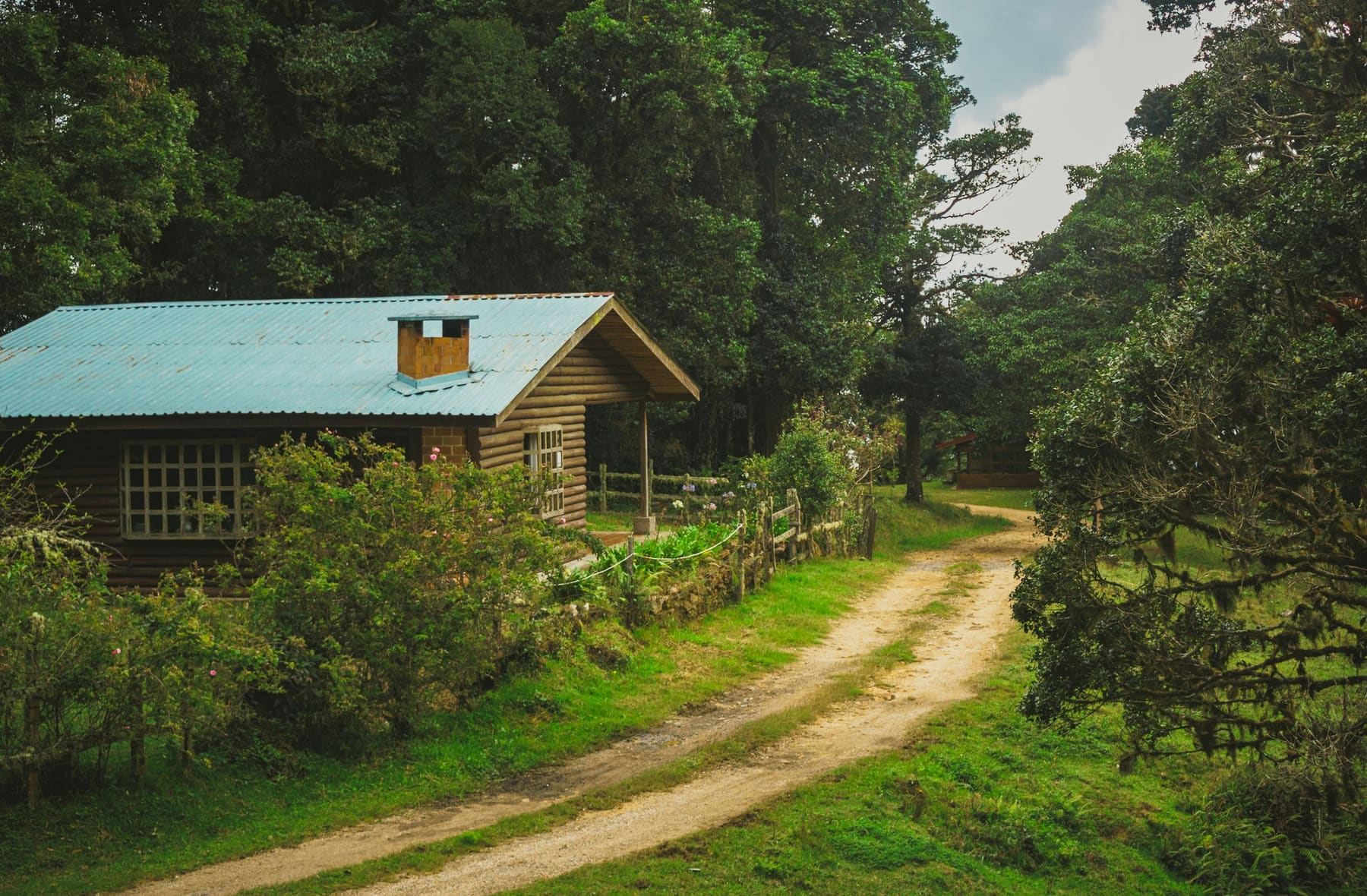
Stock photography can illustrate an educational article like this one when its role and source are clear. Keep it separate from photographs used to show guests what they will book, and obtain permission for any identifiable people or partner activities you feature.
Review your next campaign before it goes live
Collect the claims
Ask the marketing lead to copy the environmental statements from the proposed page, captions and booking offers into one document. Include claims implied by badges, image captions and headlines.
Match each claim to evidence
Have the operations lead attach the relevant record and state what it covers. Mark unsupported claims for removal or revision; do not treat a planned improvement as completed work.
Check certification wording
If a claim relies on certification, verify the current document, named property and scope. Use only wording and imagery your authorisation permits, with a clear route for readers to check it.
Read it as a prospective guest
Ask a colleague who did not write the page to explain what they think is being promised. Revise any wording that suggests more than the property can deliver.
Assign a review owner
Name the person who will update the content when a supplier, practice, partnership or certificate changes. Keep the approved wording and its evidence together so future campaigns start from the same facts.
Measure whether the page helps people decide
Track visits to the relevant page, booking starts and confirmed reservations where your systems can connect them reliably. Ask reservations staff to record recurring questions about environmental practices and whether the new page answers them.
Review those signals alongside rates, availability and changes in who visited the site. A booking after viewing the page does not establish that the environmental message caused it.
Start with the next page you plan to publish
Choose the claim that carries the most weight in your next campaign and assemble its evidence first. Rewrite it in language a guest can understand, add a relevant real photograph and have operations confirm the promise.
Then apply the same review to the remaining claims. If an important point is still uncertain, say what is known and what your team is working to establish.
A useful sustainability claim tells guests what your property does, how you know, and where the limits are.